The Zoo’s Research Program
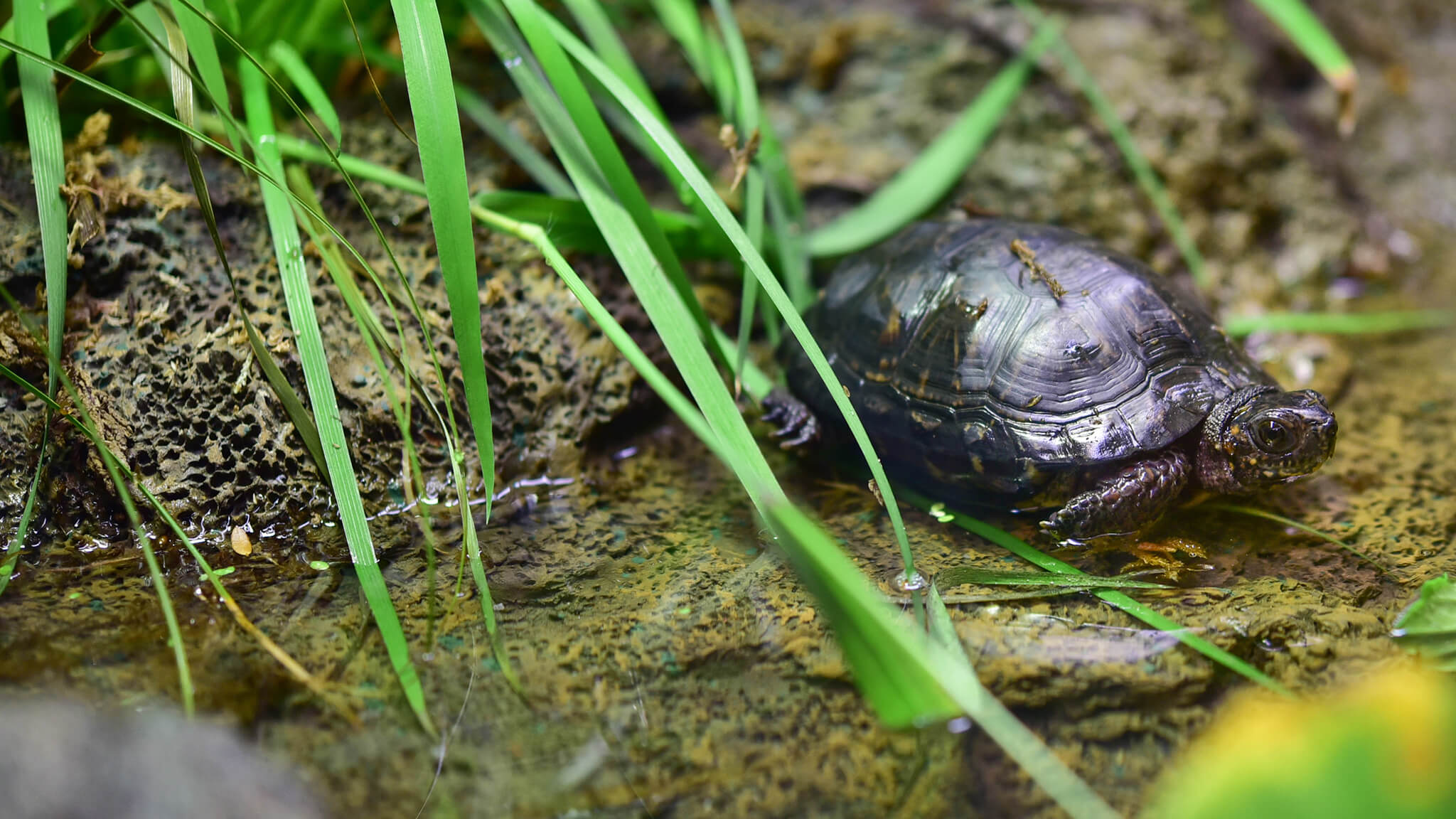
The core of the mission of the Maryland Zoo in Baltimore is about saving wildlife and protecting wild places. The Zoo’s research efforts advance science to improve our knowledge of species we care for, contribute to animal health and wellbeing, and protect wildlife and the ecosystems they rely on.
The Maryland Zoo’s Research Program, part of the Conservation Department, strives to strengthen and advance science at the Zoo in order to:
- Improve upon the health, husbandry, and ultimately the wellbeing of animals in human care
- Use the Zoo as a living laboratory so that the animals in our care can further our knowledge about their species at the zoo as well as their wild counterparts
- Support collaboration among zoological parks, academic institutions, conservation organizations, government agencies, and the Maryland Zoo
- Empower and encourage staff to lead and take part in scientific projects
Recent Scientific Project Carried Out By Zoo Staff
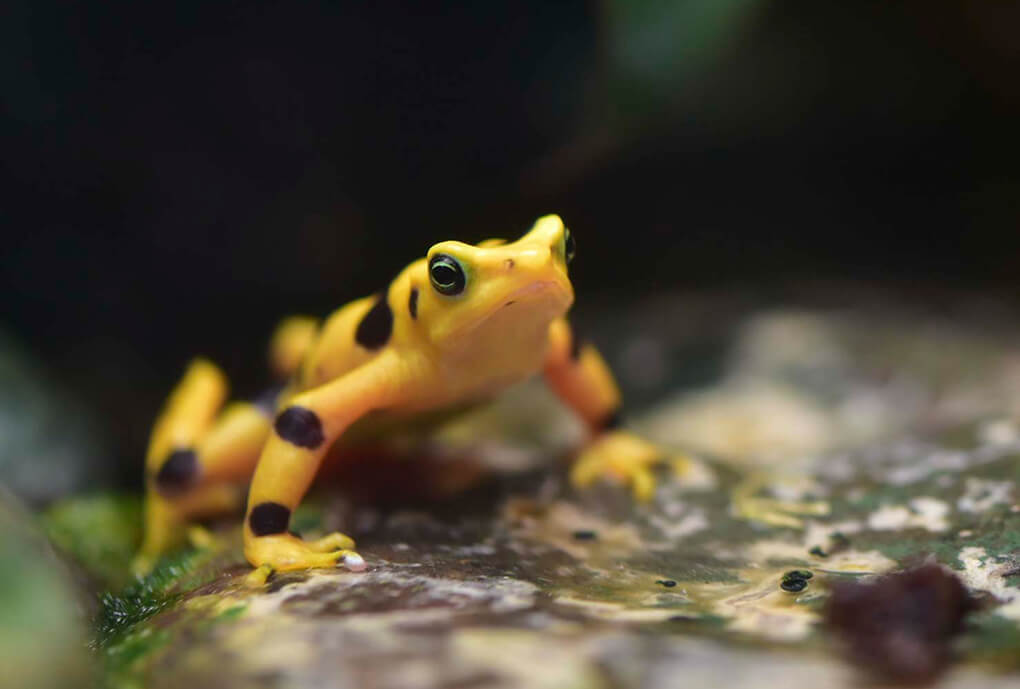
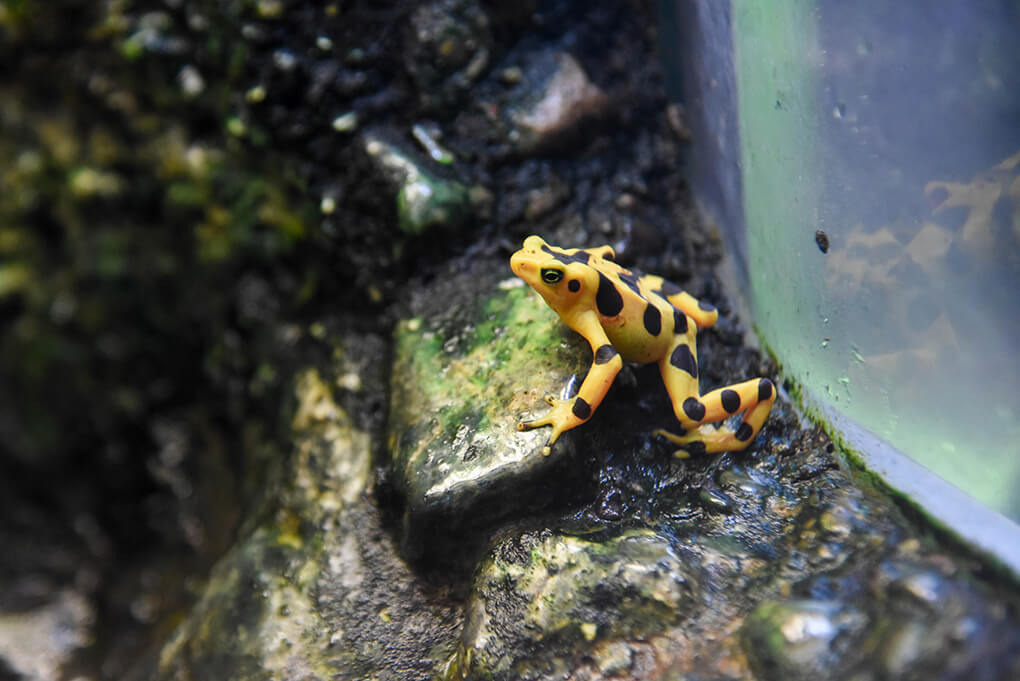
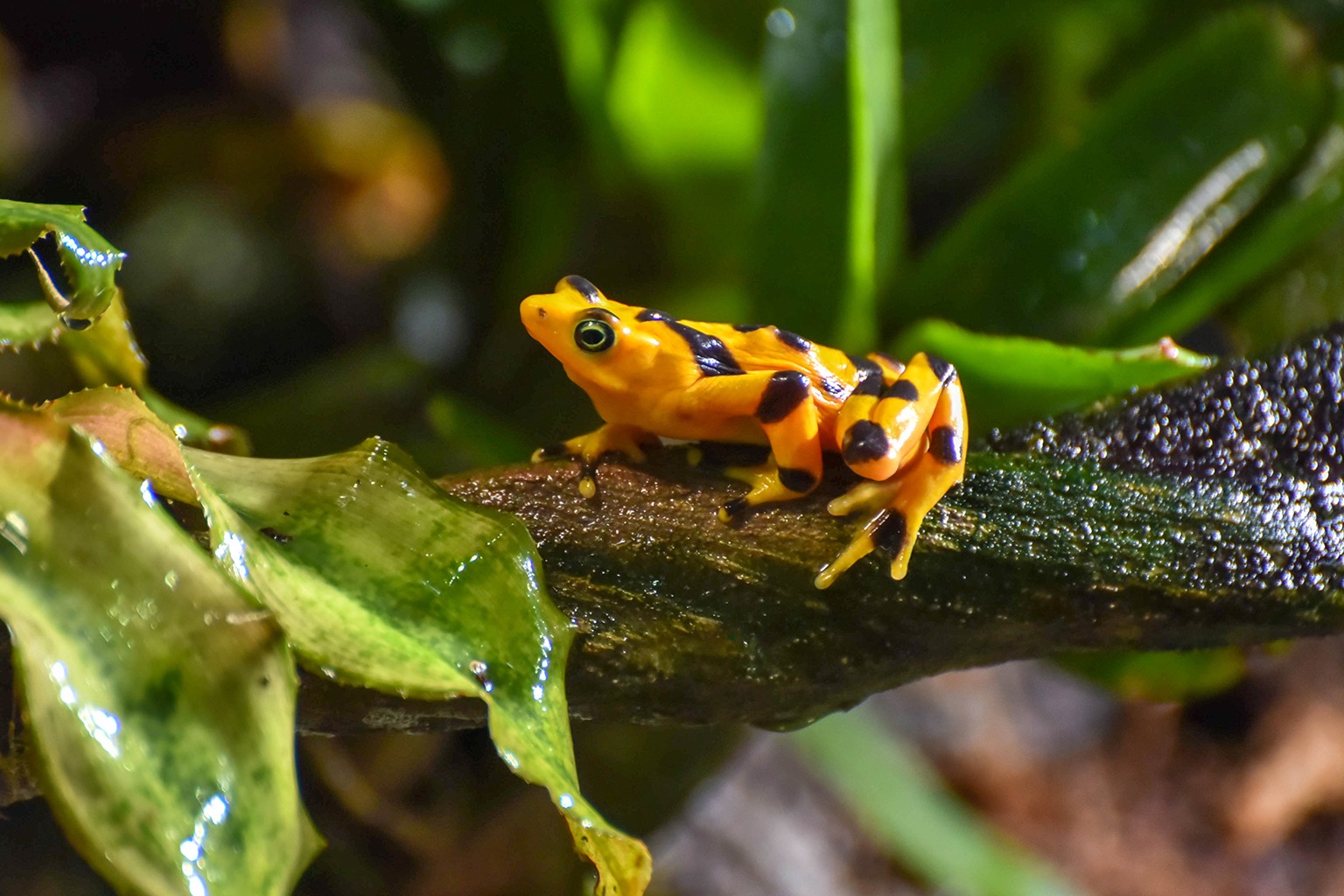
Chytridiomycosis, an amphibian fungal disease caused by Batrachochytrium dendrobatidis (Bd), is responsible for much of the devastating decline of the Panamanian golden frog (Atelopus zeteki) and many other species worldwide. A regimen of itraconazole, an antifungal drug, has long been recommended and is widely used as the standard protocol for the prophylaxis and treatment of Bd and other fungal diseases. Establishing a protocol that consistently results in presumably effective concentrations of itraconazole in the skin and tissues of frogs is important to minimize adverse effects when treating fungal diseases. The Maryland Zoo performed the first pharmacokinetic study of an antifungal medication in an amphibian in 2017. In the current study, we built upon the first, by assessing tissue concentrations for 84 hours, and found that itraconazole concentrations remained high until the end of the experiment. We also performed a multi-dose study with different concentrations and durations given daily. We found that at the high, or standard, dose bath of itraconazole daily for 10 days, skin and liver concentrations were high and increased substantially over the 10-day treatment course. Frogs exposed at the lower concentration had tissue concentrations that appeared to remain steady. At the reported doses over 10 days, there was no histologic evidence of liver toxicity.
Definitive dosing regimens cannot yet be provided, and further studies are underway at this time. However, the study does provide evidence that the historically recommended dosing regimen for Bd treatment, results in unnecessarily high tissue concentrations in this species that increase throughout the duration of treatment. The results suggest that administration of 0.01% itraconazole for 10 min to Panamanian golden frogs every three to four days (72-96 h) may be sufficient for the treatment of chytridiomycosis, which would save time and reduce handling of the frogs. Alternatively, if daily dosing is preferred, a low dose 0.001% concentration bath for 10 min once daily for 10 d is likely sufficient.
Chytridiomycosis continues to drive amphibian declines and greatly affects reintroduction efforts of multiple species including the critically endangered Panamanian golden frog. Assurance colonies such as the Panamanian golden frog assurance program at the Maryland Zoo offer opportunities to study the effects of disease and its treatment and management in order to improve not just the care of these species in human care but the success of reintroduction programs worldwide, which are currently underway for this species in Panama.
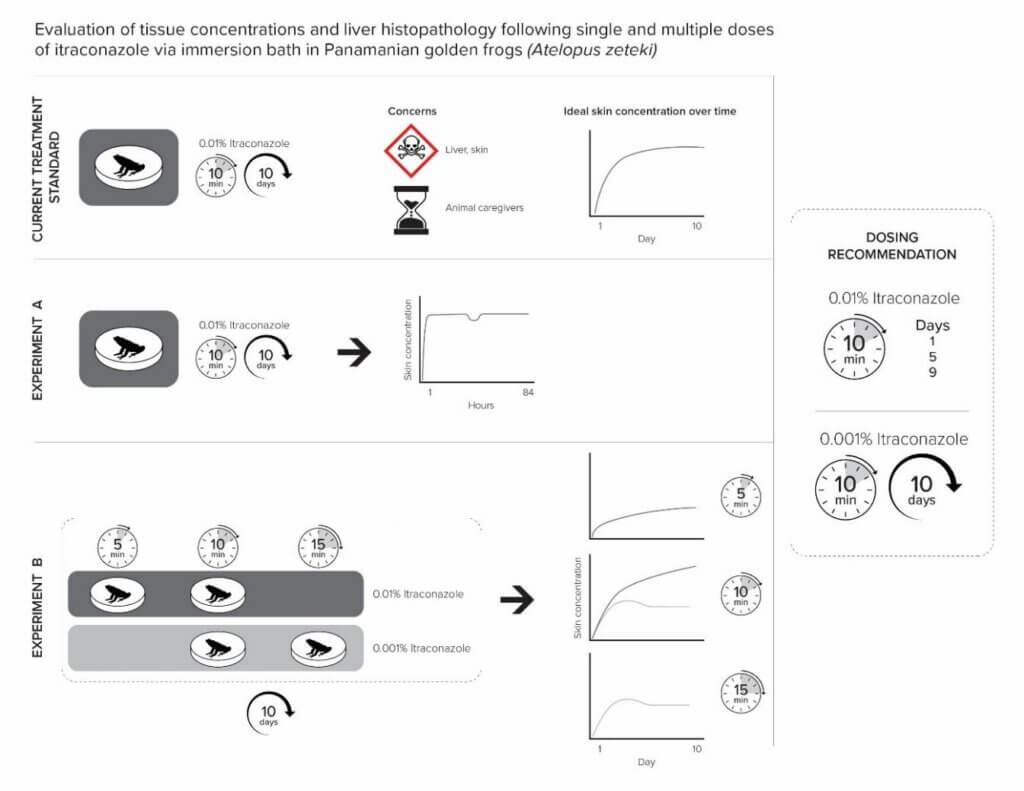
Paper Citation: Evaluation of Tissue Concentrations and Liver Histopathology Following Single and Multiple Doses of Itraconazole via Immersion Bath in Panamanian Golden Frogs (Atelopus zeteki). Bronson, E., Greenebaum, A., Visser, M., Mangus, L., Barrett, K., Boothe, D. Journal of Zoological and Botanical Gardens. 7 (2): 20. 2026.
If you are a professional researcher interested in a research collaboration, email us at conservation@marylandzoo.org.