
Overview
Get to Know the Bats!
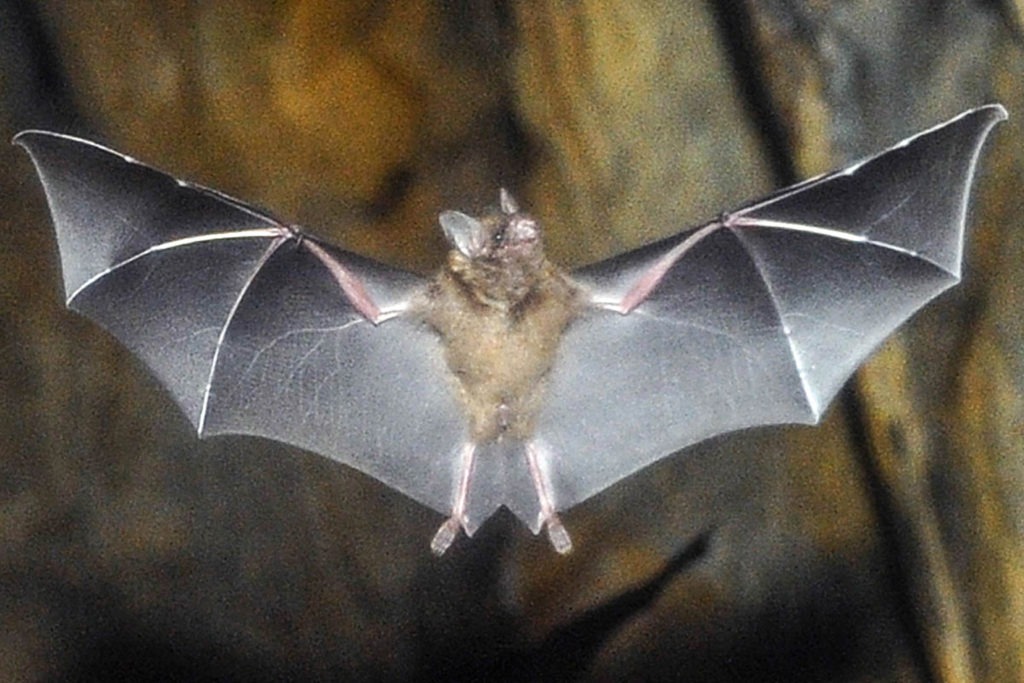
Seba’s short-tailed bats are one of the only species that you’ll find in the Maryland Wilderness that are not native to the United States. All 10 species of bats found in Maryland are insectivores, meaning they eat insects like flies and mosquitoes, and they need those insects to be flying to catch and eat them. The Maryland Zoo wanted an opportunity to show guests a bat species but zookeepers cannot provide a steady diet of flying mosquitoes daily, so Seba’s short-tailed bats were chosen to live at the Zoo. As a frugivore (eating primarily fruit), this species can thrive on a readily-provided diet of mixed fruits. They are very similar in size to Maryland’s most common bat species, the Eastern red bat.
Who’s Who
With roughly 100 bats living at the Maryland Zoo, it can be exceptionally difficult to tell one bat apart from another. However, each bat does receive individual care! Any bat that zookeepers would like to keep an eye on in the colony may be marked with a special dye to tell them apart from the rest of the group.
Where to Find Us
In the Cave by the woolly mammoth skeleton, guests will find a habitat housing a colony of Seba’s short-tailed bats flying through the habitat space and perching along the walls and ceilings. These bats typically choose to perch in groups of 10 or more, with the largest perching group on the ceiling right between the viewing glass next to the skeleton play area and the column inside the habitat. They are experts at navigating their space, zipping around stalactites, food bowls and even zookeepers!
Special Care
If you’re an early visitor to the Maryland Wilderness, you may notice the lights in the habitat are a little brighter than during the rest of the day. The bat habitat is on a reverse light cycle, meaning that the habitat simulates nighttime during the day so that guests can see bats in their most active state. The “sun sets” around 11am, and keepers use the brighter light in the morning to clean and prepare the habitat without disturbing the bats.
Conservation Status
Least Concern
This status means that the population of Seba’s short-tailed bats living in their native habitat is doing well. However, of the 10 species of bats found in Maryland, 2 species are Near Threatened, 1 is Vulnerable, and 2 are Endangered. Bats play a vital role in Maryland ecosystems, first and foremost by keeping insects like mosquitoes at sustainable population numbers. It’s important to protect these species and to ensure a healthy environment for their future.
How you can help
Bats rely on a diet of hundreds to thousands of native insects daily in order to thrive in their environment. By planting and tending to native plants, you are ensuring that native insects have appropriate opportunities for food and shelter and are in turn ensuring that native bats have plenty to eat.
Additionally, bat populations are at risk due to habitat loss from human development and irresponsible logging practices. When you’re purchasing wood or paper products, keep an eye out for certifications showing that the materials used to make them came from forest habitats that are being protected and managed sustainably.
Taxonomy
- Kingdom: Animalia
- Phylum: Chordata
- Subphylum: Vertebrata
- Class: Mammalia
- Order: Chiroptera
- Family: Phyllostomidae
- Genus: Carollia
- Species: C. perspicillata