
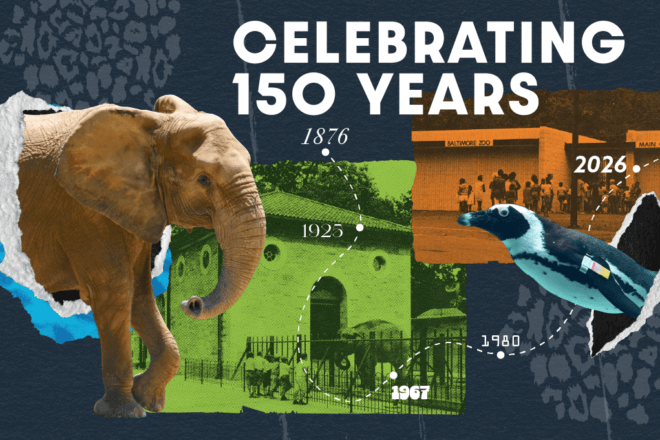
BALTIMORE, MD – In 2026, one of Central Maryland’s most beloved institutions is celebrating a milestone. This year, the Maryland Zoo turns 150 years old and everyone is invited!
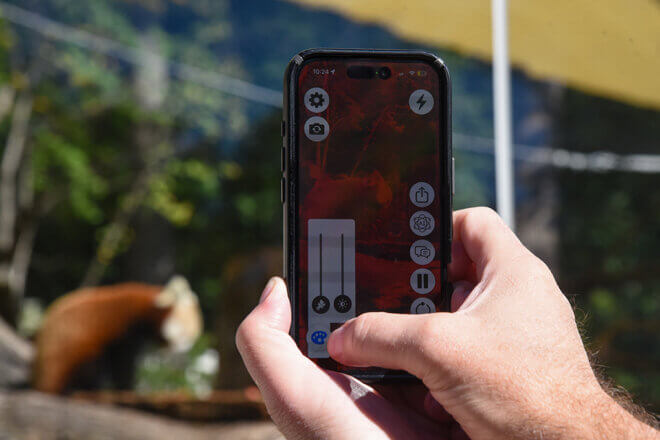
The year-long festivities include an official party on April 7th (the date of the Zoo’s founding in 1876), a Zoo-themed evening with Stoop Storytelling on April 25th, the return of Zoomerang (a wild gala like no other) on June 12th, and the opening of a new habitat for red pandas early this summer.
Commemorations include historic markers, walking tours, and, later this year, the release of a book about the Zoo’s rich history. Complete information about Sesquicentennial events is available on our 150th Anniversary page.
“We’re celebrating our anniversary in many ways but, most importantly, by reimagining Main Valley, which is the oldest area of the Zoo,” said Zoo President & CEO, Kirby Fowler. “The opening of our new red panda exhibit this June is the first time we’ve had a new habitat for a new animal species in more than two decades.”
“Within a few years, we’ll also add a habitat for gibbons and create an entire new section of Main Valley, called the Harvey M. Meyerhoff Plaza, which will be a year-round destination with a cafe, event space, and splash pad for warm summer days,” Fowler said.
Zoo History
The Zoo was created by an act of the Maryland Legislature on April 7, 1876 but its origins in Druid Hill Park date to the early 1860s, when the park’s superintendent first began caring for a small collection of animals donated by city residents. Formerly the Baltimore Zoo, the name officially changed to the Maryland Zoo in 2004.
Since then, the Maryland Zoo has become a world leader in animal care and conservation, protecting wildlife and wild places, and engaging people in the wonders of the living world through personal encounters with animals.
On its campus in Baltimore the Zoo is saving animals from extinction – like African penguins, which are likely to become extinct in the wild within a few years. The Zoo’s colony is the largest in North America. One day, animals from Baltimore could rebuild penguin populations in their native South Africa and Namibia.
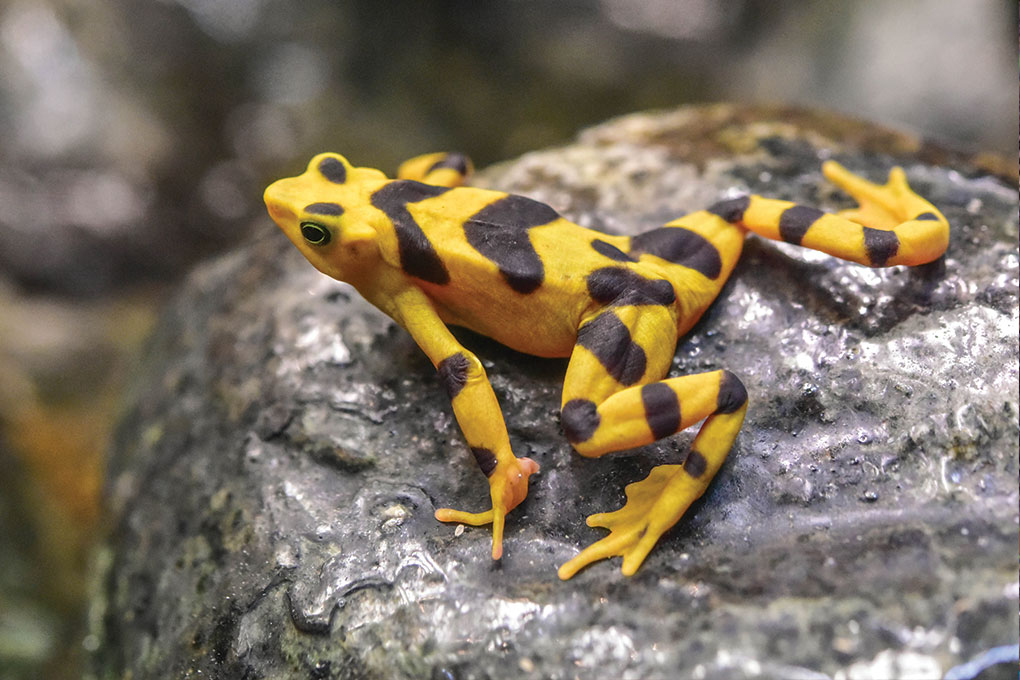
The Zoo is also home to an assurance breeding colony of several hundred Panamanian golden frogs, which are the national symbol of Panama but haven’t been seen in the wild in nearly twenty years. Working with the Panamanian government and non-profit organizations in country, the Maryland Zoo is planning to send frogs down to Panama this year in an attempt to see these animals thrive in their native land once again.
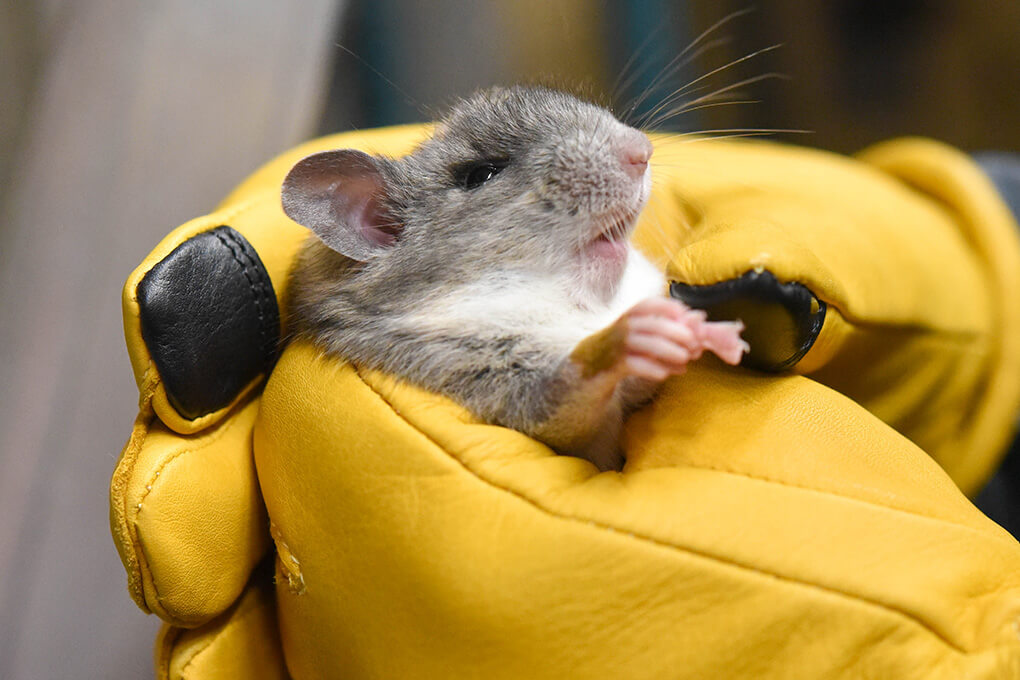
The Zoo is also helping mid-Atlantic species like the bog turtles and Allegheny woodrats through headstarting programs. And, it is a recognized leader in animal behavior studies and caring for the wellbeing of animals as they age.
An Abbreviated Timeline of Zoo History
1876 – The Zoo was founded on April 7, 1876, the same year that Johns Hopkins University formed and the United States celebrated its 100th anniversary.
1925 – The children of Baltimore collected pennies to buy the Zoo its first elephant, named Mary Ann. More than 80 years later, Baltimore welcomed Samson, the first elephant born at Maryland Zoo.
1949 – The same year as the first Emmy awards, Maryland Zoo animals began starring in a local TV show called “This is Your Zoo” which ran for ten years on WAAM, the precursor to WJZ.
1954 – Weeks after the Orioles played their first game in Baltimore, the Zoo’s Mammal House opened. While still in use, it was home to gorillas, orangutans, chimpanzees, and spider monkeys.
1957 – Chimpanzee Betsy became famous for a series of colorful finger paintings, one of which is in the collection of filmmaker, John Waters, and was recently displayed at the Baltimore Museum of Art.
1970 – As the first Earth Day was helping raise environmental awareness, the Zoo implemented entrance fees. Though controversial at the time, the fees allowed the Zoo to hire its first full-time veterinarian. Today, they support conservation of wild species and native habitats around the globe.
1980 – The Zoo received its first accreditation by the Association of Zoos and Aquariums.
1999 – Zoo staff was called in to stop the extinction of Panamanian golden frogs, importing the remaining frogs from the wild to save them from a disease called chytrid. The Zoo has been quite successful at breeding the frogs while maintaining strong genetics and will begin re-introducing the frogs back into the wild later in 2026.
2004 – The name changed from Baltimore Zoo to Maryland Zoo, reflecting the institution’s statewide reach and broader funding support.
2014 – Penguin Coast, the award-winning home to North America’s largest colony of critically-endangered African Penguins, opened. It is now one of the most popular attractions at the Zoo.
2019 – The treetop Canopy Trail opened, giving the Zoo’s small primates new ways to explore the world around them.
2026 – The Zoo is celebrating its 150th Anniversary with a brand new habitat for red pandas.
Click image for full size slideshow


Share this article